Jak prać filcowe panele, żeby wyglądały jak nowe? 2026
Filcowe panele na firankach wyglądają nieładnie until you've tried to clean them without ruining the delicate structure. Problem polega na tym, że filc to materiał higroskopijny, który łatwo traci kształt pod wpływem wysokiej temperatury lub agresywnego tarcia. Zanim sięgniesz po pierwszą lepszą metodę, warto zrozumieć, dlaczego niektóre techniki prania niszczą włókna, a inne pozwalają zachować ich pierwotną elastyczność przez lata. Wiedza ta pozwala uniknąć kosztownej wymiany firan, które przecież stanowią wiszący w salonie element dekoracyjny wart setek złotych.
- Ręczne pranie filcowych paneli
- Pranie filcowych paneli w pralce
- Optymalna temperatura i detergent do filcu
- Suszenie filcowych paneli jak uniknąć odkształceń
Ręczne pranie filcowych paneli
Felt panels with intricate lace patterns practically beg for hand treatment the delicate openwork structure means machine spinning could tear or stretch the fibers beyond repair. When you submerge a panel in cool water with a mild detergent, the fibers absorb moisture evenly, and the gentle agitation from your fingertips prevents the localized stress that destroys felt's tight weave. This method works best for ażurowe variants where the mesh density creates natural weak points at every hole's edge.
Before you even fill the basin, remove surface dust with a soft brush this step prevents the dust from turning into muddy stains once it gets wet. Use a brush with natural bristles, sweeping in one direction along the fiber grain. If you notice a specific stain, treat it locally with a damp cloth and a tiny amount of neutral soap, gently pressing rather than scrubbing to avoid matting the surface. This preparation alone can extend the interval between full washes by several weeks.
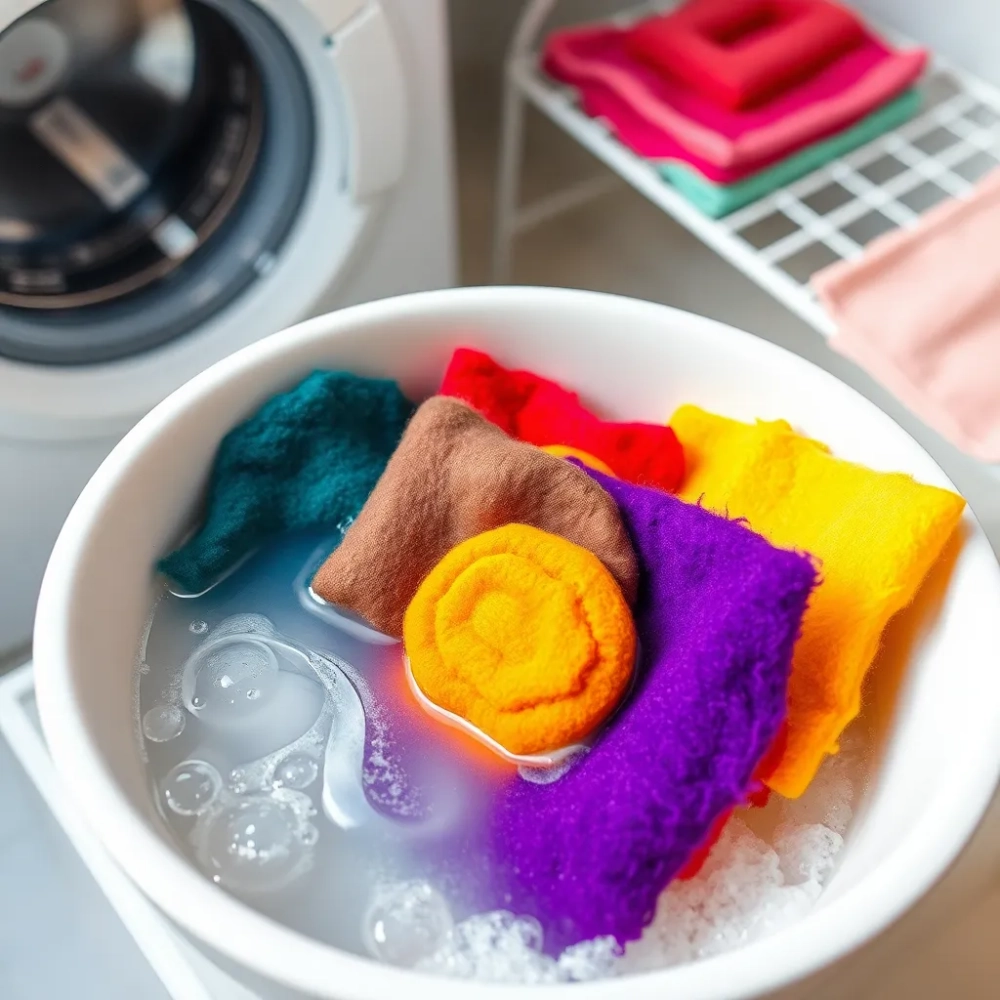
Fill a clean basin or bathtub with water at exactly 30°C any hotter and the proteins in wool fibers begin to denature, causing irreversible shrinkage. Add a capful of liquid detergent formulated for delicates, not a heavy-duty laundry soap which contains enzymes that break down protein-based fibers. Swirl the water to distribute the soap, then gently lower the panel, allowing it to absorb water without bunching. Let it soak for no more than ten minutes; extended immersion causes colors to bleed.
Work the panel with light squeezing motions from the center outward, never wringing or twisting. Pay special attention to areas near window frames where oxidation from metal can transfer to the fibers these spots often require a second pass with fresh soapy water. When rinsing, use water at the same temperature to prevent thermal shock that causes fibers to contract unevenly.
For panels with decorative elements like embroidery or attached beads, shield them with a strip of painter's tape before soaking. The tape prevents water from penetrating the bonded areas where adhesives may fail when saturated, which is especially common in panels older than three years where the original glue begins to deteriorate. Remove the tape immediately after rinsing.
After the final rinse, press the panel gently against the basin wall to remove excess water never use a rough rolling motion. Lay a clean white towel on a flat surface, place the panel flat on top, and roll the towel with the panel inside to absorb moisture. This technique prevents the weight of water from stretching the fibers while still removing enough liquid to speed drying.
Pranie filcowych paneli w pralce
Machine washing sounds counterintuitive for felt, yet certain panels can handle a gentle cycle if you respect their physical limits. The key lies in understanding that felt lacks the weave structure of woven fabrics instead, thousands of fibers are interlocked through moisture and pressure during manufacturing, which means mechanical agitation can break those connections. Choose this method only when the panel's density exceeds 400 g/m² and the manufacturer explicitly permits machine processing on the label.
Place the panel inside a mesh laundry bag designed for delicate items this containment prevents the felt from wrapping around the drum's ribs during rotation. The bag also distributes mechanical forces more evenly across the surface, reducing the risk of localized thinning. Close the bag's zipper completely; even a small opening can snag the fibers and create runs that worsen with subsequent washes.
Select the wool or delicates cycle on your washing machine these programs use slower agitation speeds and lower spin rates that minimize fiber stress. Set the water temperature to the minimum available above 20°C, never exceeding 30°C. Modern machines often have a 30°C option specifically calibrated for woolens; if your machine defaults to 40°C for the wool cycle, override it manually. The shorter wash time on these cycles, usually under 40 minutes, prevents prolonged exposure that softens the fiber bonding.
Avoid adding fabric softener while it makes regular cotton feel pleasant, the oils in softener can coat felt fibers and reduce their natural ability to breathe. Instead, add two tablespoons of white vinegar to the conditioner compartment, which dissolves mineral deposits from hard water without leaving residue. Hard water minerals bind to protein fibers and create a stiff, scratchy texture that ruins the panel's hand feel.
When the cycle completes, remove the panel immediately leaving wet felt in the closed drum allows mildew to develop in as little as two hours, especially in humid climates. The high humidity in bathrooms after showering poses the same risk, so prioritize rapid removal and drying. Inspect the panel while still damp for any signs of deformation; this is the last moment when reshaping is possible without heat.
Never use a tumble dryer for felt panels regardless of the fabric type designation the tumbling action combined with residual heat causes progressive shrinkage that compounds with each cycle. Instead, follow the flat-drying method described later. Even a single pass through a condenser dryer can reduce a panel's dimensions by 3-5%, rendering it useless for standard window frames.
Optymalna temperatura i detergent do filcu
The 30°C threshold isn't arbitrary it corresponds to the glass transition temperature of wool keratin, above which the protein structure becomes rubbery and susceptible to permanent deformation. Below that temperature, the hydrogen bonds holding the fiber matrix remain stable, meaning the felt maintains its original dimensions and texture. This thermodynamic principle explains why cold water rinses are equally important as the wash itself; a final hot rinse defeats the careful low-temperature approach.
Detergent selection matters more than most people realize. Enzyme-based formulas target protein stains like blood or grass, but they hydrolyze wool fibers in the process the same chemical reaction that makes them effective against organic matter works against the felt's protein structure. Chlorine bleach causes immediate fiber degradation, creating weak points that manifest as holes after just two or three washes. Even oxygen-based brighteners can alter the color of dyed felt, causing uneven fading patterns.
The ideal detergent contains no enzymes, no bleach, and minimal fragrance look for products labeled specifically for wool or silk. These formulations use surfactants derived from plant sources that clean without the aggressive chemistry found in standard laundry soaps. If a product specifies "gentle" but includes terms like "active enzyme" or "oxy-clean," avoid it. The concentration matters as much as the formulation; excessive detergent leaves residue that attracts dust and creates a chemical film over time.
Water hardness plays a role that gets overlooked in most guides. Calcium and magnesium ions bind to wool fibers and create a scaly coating that reduces flexibility and increases brittleness. In regions with water exceeding 180 mg/L of calcium carbonate, adding a water softener tablet to the wash cycle prevents this accumulation. You can test your water hardness with inexpensive test strips available at hardware stores the small investment saves significant grief over years of panel ownership.
For spot cleaning between full washes, a solution of lukewarm water with a few drops of baby shampoo works effectively. Baby shampoos lack the aggressive surfactants found in dish soaps or general laundry detergents, and their pH is close to neutral, which protects the fiber structure. Apply with a cotton swab rather than a cloth to limit the wet area, and allow the spot to dry completely before folding or rehanging.
Storing detergent properly extends its effectiveness keep the bottle sealed and away from humidity, as moisture in the air degrades the surfactant compounds over time. A sealed container in a dry cabinet prevents the oxidation that turns clear liquid detergents amber, a sign of chemical breakdown that may not clean effectively even if the product hasn't expired. Check the expiration date printed on the bottle; most liquid detergents remain effective for two years from manufacture when stored properly.
Suszenie filcowych paneli jak uniknąć odkształceń
Proper drying determines whether your washing efforts preserve or destroy the panel's shape. Wet felt is heavy; if hung while damp, the weight pulls the fibers downward, creating permanent sagging that becomes especially visible at the bottom edge of panels. The fibers also bond to each other as they dry, so any deformation that occurs during drying becomes permanent you cannot steam or mist it back into shape afterward.
The correct method involves laying the panel flat on a clean, absorbent surface like a cotton sheet or pile of towels. Position it away from direct sunlight, which can fade colored felt unevenly the same UV radiation that damages skin bleaches dyes in fabric. Indirect light or shade works well; a shaded balcony or interior room with good airflow provides ideal conditions. Rotate the panel every few hours to ensure even drying from both sides.
Allow at least 24 hours for a standard panel to dry completely; thicker variants may need 48 hours. Test readiness by pressing a finger against the thickest part of the fabric if any moisture transfers to your skin, wait longer. Rushing this step by placing the panel near a heater causes the outer layers to dry while the inner fibers remain wet, creating internal stress that leads to warping. patience here prevents the need to rewash due to mold that develops in damp cores.
If you must speed the process, use a fan to increase air circulation around the panel not a heater. A household fan moved to point at the drying area reduces humidity in the immediate environment, pulling moisture away from the fibers faster without applying heat. Position the fan at a distance that creates gentle movement of air across the surface, not a direct blast that might distort the panel's shape. This approach can reduce drying time by up to 30% in favorable conditions.
Once dry, fold or roll the panel carefully for storage, using acid-free tissue paper between layers if stacking multiple items. Plastic bags trap humidity and promote mold growth; instead, use cotton pillowcases or breathable fabric containers. Store in a dry closet, ideally with a dehumidifier packet nearby during humid seasons. Proper storage extends the interval between washes by keeping dust and moisture from penetrating the fiber matrix.
When you reinstall freshly cleaned panels, allow them to hang undisturbed for several hours before adjusting their draping. The fibers need time to settle into the window frame's configuration, and premature handling can create new wrinkles or folds. If the panel feels slightly stiff after storage, a brief exposure to steam from a distance of 30 centimeters can restore flexibility but test on an inconspicuous corner first to ensure the heat doesn't damage the fibers.